Mental health

Mental health matters at every age. If something doesn't feel quite right, support is available and small steps can make a difference.

Many people assume that feeling low, lonely or withdrawn is simply part of getting older. In reality, it isn’t. While later life can bring significant changes, ongoing sadness, anxiety or a loss of enjoyment in everyday life should never be dismissed as “just ageing”.

Good mental health is an important part of overall wellbeing. Many older people continue to lead active, connected and meaningful lives. At the same time, experiences such as retirement, health changes, caring responsibilities, or the loss of loved ones can affect how we feel.

Noticing changes in your mood, energy or motivation can help you recognise when something may not feel quite right. Reaching out early and taking small steps to support your wellbeing can make a real difference.

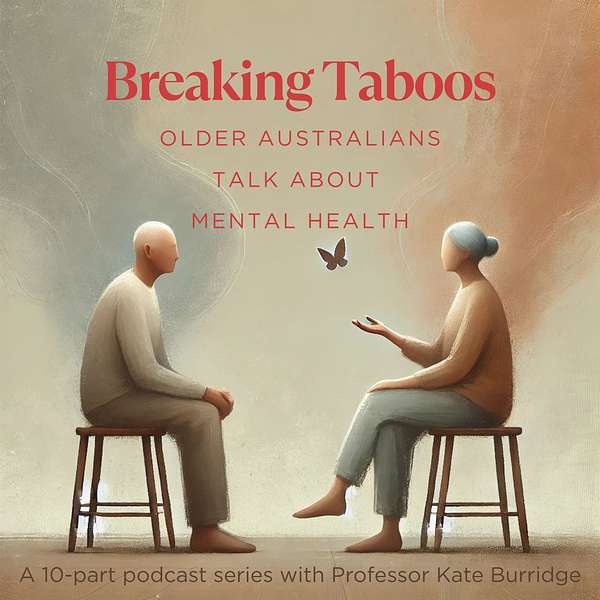
Podcast Series

Listen to Breaking Taboos
A ten-part series exploring ageing and mental health through the honest experiences of older Australians. Explore the episodes →
Support

If you would like to speak with someone, help is available.

Lifeline

131114 24-hour crisis support and suicide prevention service.

Beyond Blue

1300 22 4636 Information and support for anxiety, depression and mental wellbeing.

When something doesn't feel quite right

Everyone has days when they feel worried, sad or overwhelmed. But if these feelings continue for weeks, become stronger than usual, or begin to affect everyday life, it may be helpful to talk to someone.

Some signs that something may not feel quite right include:

These experiences are more common than many people realise, and support is available. Speaking with someone you trust or a health professional can be an important first step.

Support for your mental health and wellbeing

start-icon-e1780985460669.png
Where to start Tap to learn more
Where to start
Not sure where to begin? This practical guide from Health direct explains common mental health issues experienced by older people, the signs to look out for, and where to seek support. It also includes simple tips to help maintain wellbeing and stay mentally healthy as you age.
help-friend-e1780993374938.png
Helping a Friend Tap to learn more
Helping a Friend
It can be difficult to know what to do when you're worried about someone’s mental health. This guide from the Black Dog Institute provides practical advice on recognising when a friend may be struggling, starting supportive conversations, and encouraging them to seek help when needed. It also highlights the importance of looking after your own wellbeing while supporting others.
own-metalhealth-e1780993792891.png
Your own mental health Tap to learn more
Your own mental health
Looking after your mental health is just as important as looking after your physical health. MyCompass for Seniors is a free online program that helps you build practical skills to manage stress, improve wellbeing, and develop healthy coping strategies at your own pace. It includes interactive activities and personalised tools designed specifically for older Australians.
dealing-e1780993849965.png
Dealing with Grief Tap to learn more
Dealing with Grief
Grief can affect us in many different ways and there is no right or wrong way to experience it. Griefline provides information, resources and support to help people navigate loss, understand their feelings, and find ways to cope during difficult times. Whether your loss is recent or long ago, support is available when you need it.
help-in-a-criisis-e1780995772549.png
Help in a crisis Tap to learn more
Help in a crisis
If there is an immediate risk to life or safety, call Triple Zero (000). If you or someone you know is experiencing a mental health crisis, immediate support is available. The NSW Mental Health Line (1800 011 511) provides access to trained mental health professionals who can offer advice, assess the situation, and connect you with the most appropriate services, 24 hours a day, 7 days a week.
positive-mental-health-e1780995954223.png
Positive mental health Tap to learn more
Positive mental health
Looking after your mental wellbeing can be as simple as making time for activities that bring joy, purpose and connection. This collection of resources includes practical ideas to support positive mental health, from mindfulness and creative activities such as colouring, to everyday ways to stay active, engaged and connected with others. Small steps can make a big difference to your overall wellbeing.

Looking out for someone else

Sometimes it can be easier to notice changes in someone we care about than in ourselves. If you are concerned about a friend, neighbour or family member, a simple conversation can make a difference.

You might notice that someone seems more withdrawn than usual, has stopped doing activities they once enjoyed, or appears unusually worried or low.

If you are concerned, consider:

Often, knowing that someone cares and is willing to listen can be an important first step toward getting support.

Podcast series

Breaking Taboos - Older Australians talk about Mental Health

Breaking Taboos is a ten-part podcast exploring ageing and mental health through the experiences of older Australians. The series discusses topics including depression, loneliness, grief and the stigma surrounding mental health in later life. Some listeners may find parts of these conversations difficult, so we encourage you to listen at your own pace.

album-art
3th June 2025 -- Breaking Taboos: Older Australians talk about Mental Health is a ten-part conversational podcast series that brings raw, heartfelt stories into the spotlight, offering an unfiltered look at the mental health journeys of Australians aged 60 and over.
00:00
album-art
6th June 2025 -- For this episode - The pursuit of happiness, our producer Helene Thomas spent time inside an aged care home in southern Tasmania.
00:00
album-art
6th June 2025 -- Some people go through life without ever experiencing any mental health conditions. But what happens when you suddenly find yourself in your late 80s feeling depressed and anxious for the first time.
00:00
album-art
6th June 2025 -- In this episode - Don’t want to be a burden - we hear from two women, one almost 90-year-old and the other is in her late 70s. The women have chosen to use a pseudonym for this podcast, and so we are calling them Kay and Eva.
00:00
album-art
6th June 2025 -- In this episode we are taken to a choir rehearsal and fishing club meeting in Hervey Bay Queensland. And an exercise class at a village hub in Perth, Western Australia.
00:00
album-art
6th June 2025 -- In some cultures, men are socially encouraged and trained to not to talk openly about what they are feeling and experiencing, seeing any kind of vulnerability as a weakness. This has been the case for the two men who feature in this episode: Crying doesn’t make you soft it makes you human.
00:00
album-art
6th June 2025 -- Throughout his life Fred has always been the captain of his own ship. As a business owner he had a lot of confidence in his abilities and was regarded as an upstanding citizen in his local community.
00:00
album-art
6th June 2025 -- Transgender woman Kathy Mansfield shares her experience of depression at the age of 62, right at the cusp of her gender journey. We learn through Kathy’s living experience that as well as feeling liberated from living authentically, there are unique challenges some older adults face when transitioning.
00:00
album-art
6th June 2025 -- In this episode - Intergenerational Living - our producer Helene Thomas visits a mother-and-daughter sharehouse.
00:00
album-art
6th June 2025 -- Grief is a common and yet unique experience for all of us. Listening to people share their experiences - the various ways they’ve responded - can deepen our understanding of the grieving process.
00:00
album-art
6th June 2025 -- David Menadue is one of the longest surviving people with AIDS in Australia. David has overcome many AIDS-related illnesses since he was positively diagnosed with HIV in 1984. He was 32 years old at the time.
00:00

Accessibility